November 4, 2026
10 Years of Flint Hills Group: How Technology Has Changed Since 2016
In 2016, Flint Hills Group started without an office, a client, or even a name. We had an idea, a group of experienced software engineers, and a belief that there was a better way to build custom software.
A lot has happened since then.
Over the past 10 years, Flint Hills Group has built more than 120 software solutions for more than 80 customers across industries ranging from petroleum and pipelines to healthcare, agriculture, transportation and community banking.
But our 10-year anniversary isn’t just an opportunity to look at how our company has changed. It’s also a chance to look at how dramatically technology itself has changed.
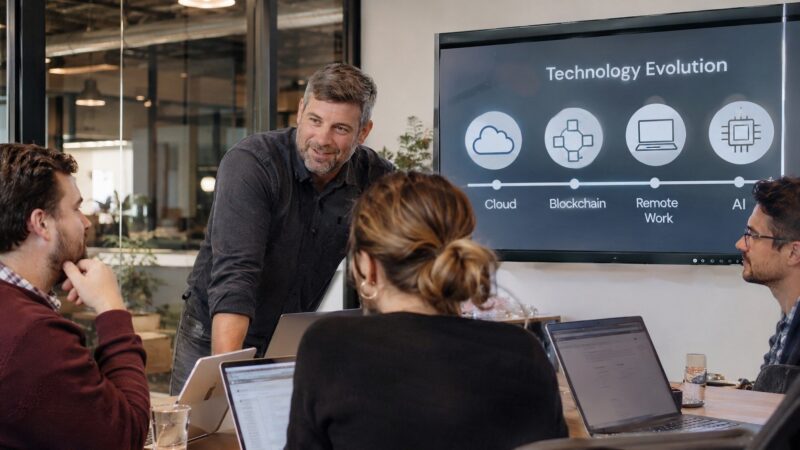
When we started Flint Hills Group, cloud computing was transforming how businesses thought about software infrastructure. Since then, we’ve watched blockchain capture the technology industry’s attention, remote work completely change where software gets built, and artificial intelligence begin reshaping how software gets created in the first place.
Some of those changes helped define our company. Others taught us the importance of knowing when not to follow the latest technology trend.
And now, 10 years later, we may be experiencing the biggest shift yet.
2016: The Cloud Changes the Economics of Software
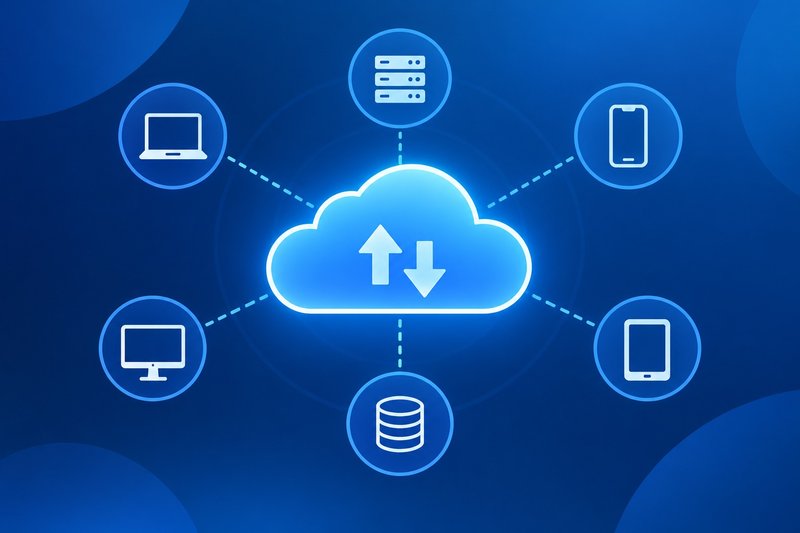
Cloud computing wasn’t new when Flint Hills Group started in 2016, but businesses were still in the middle of a major transition.
For decades, building business software often meant buying and maintaining physical servers, managing infrastructure internally, and making significant investments before an application ever reached a customer.
Cloud platforms changed that equation.
Companies could increasingly build applications without owning the infrastructure underneath them. Capacity could grow with the business. New environments could be created quickly. Smaller organizations gained access to infrastructure and capabilities that previously would have required much larger IT departments and budgets.
The cloud also helped make our own business model possible.
Flint Hills Group was built as a virtual company from day one. We didn’t invest in a large office or infrastructure. Instead, we built a distributed team of experienced engineers who could work directly with customers.
Our first customer, GT Midwest, is a fitting example of how much things have changed. One of our earliest projects involved helping them move systems to the cloud.
Ten years later, they’re still a customer, and we’re now helping rebuild their ERP systems.
The technology has changed. The relationship hasn’t.
Then Everyone Started Talking About Blockchain
A few years into our journey, another technology seemed poised to change everything: blockchain.
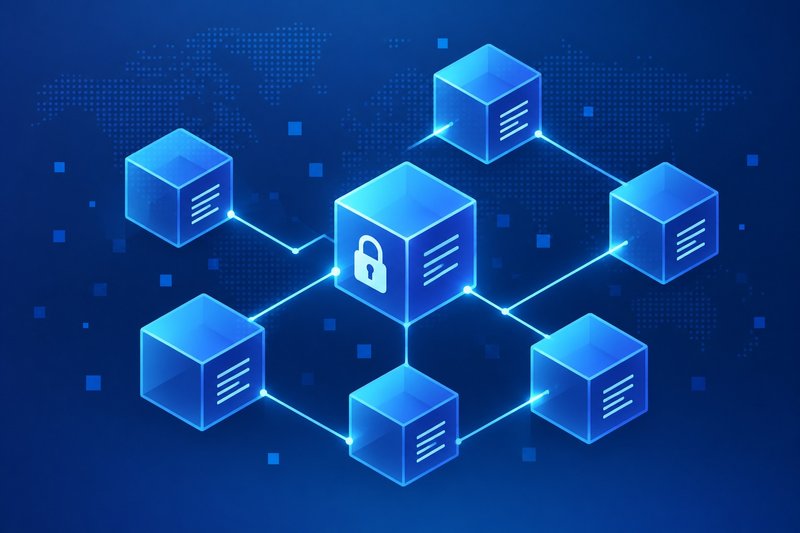
Blockchain and cryptocurrencies generated enormous attention and investment. Businesses across nearly every industry began asking whether they needed a blockchain strategy.
There were legitimate applications for the technology, but there was also a tremendous amount of hype.
For Flint Hills Group, that period reinforced an important lesson: new technology isn’t automatically the right technology.
We made a deliberate decision not to reorganize our business around blockchain simply because it was the technology everyone was talking about.
Our job isn’t to chase trends. It’s to understand a customer’s business problem and determine the best way to solve it.
Sometimes that means adopting a new technology early. Sometimes it means waiting. And sometimes the best solution is technology that has been working reliably for years.
That philosophy would become even more important as the pace of technological change accelerated.
Remote Work Goes From Unusual to Normal
Long before Zoom meetings became part of everyday business, Flint Hills Group was already operating virtually.
In 2016, that wasn’t nearly as common as it is today.
Our original model grew partly out of necessity. After NetApp layoffs affected a large number of talented engineers in Wichita and Boulder, we wanted to find a way to put experienced developers back to work on meaningful projects.
Instead of building a traditional software company around an office, we built it around people.
Our engineers could work wherever they were, while staying closely connected with customers. We also established processes that put software engineers directly in front of customers every week so they could hear problems firsthand instead of working through layers of management.
Then 2020 arrived.
Almost overnight, companies around the world had to figure out remote work. Video meetings, cloud collaboration tools and distributed teams went from optional conveniences to essential business infrastructure.
For us, one of the decade’s biggest workplace disruptions largely validated the model we’d already been using for years.
Today, distributed software teams are commonplace. In 2016, building a software company without a central office felt much more unconventional.
Software Moved Everywhere
Another major shift happened more quietly: software stopped being something primarily associated with technology companies.
Over the last decade, software has become increasingly central to industries that might not traditionally think of themselves as technology businesses.
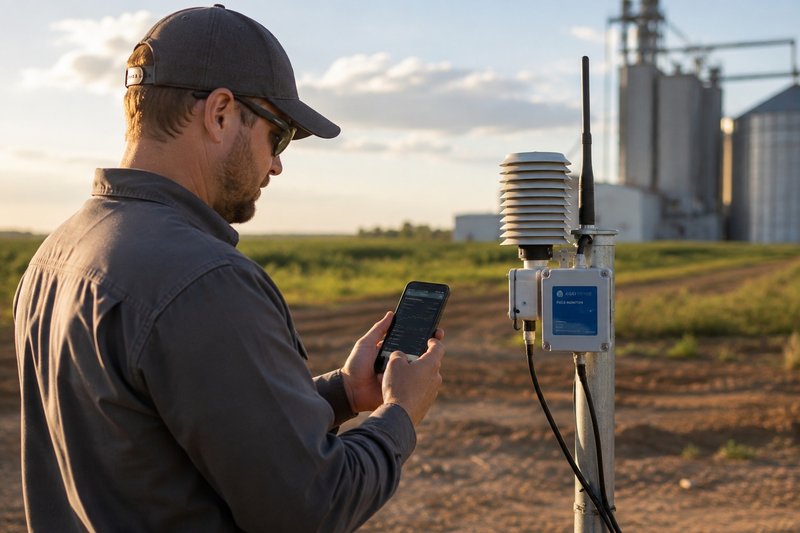
Agriculture companies use software to connect equipment and manage operations in the field. Transportation companies use it to coordinate fleets and workflows. Oil and gas businesses depend on software to collect data and manage complex processes. Manufacturers connect physical equipment to cloud applications. Banks, healthcare providers and service businesses increasingly build custom systems around the way they operate.
We’ve seen this transition firsthand.
Many of the companies that come to Flint Hills Group don’t have a CTO or an internal software development department. They have a business problem that existing software can’t solve.
A founder, director or manager may suddenly find themselves responsible for replacing a decades-old system or building an entirely new application.
That has changed the role of a software development company like ours. We’re not simply being asked to write code. We’re often helping customers determine what should be built in the first place, which technologies make sense, and how a software system should evolve over the next several years.
And Now AI Is Changing How Software Itself Gets Built
That brings us to the technology shift happening today.
Artificial intelligence is different from many of the technology trends we’ve watched over the past decade because it isn’t simply creating another category of software.
It’s changing the process of creating software.
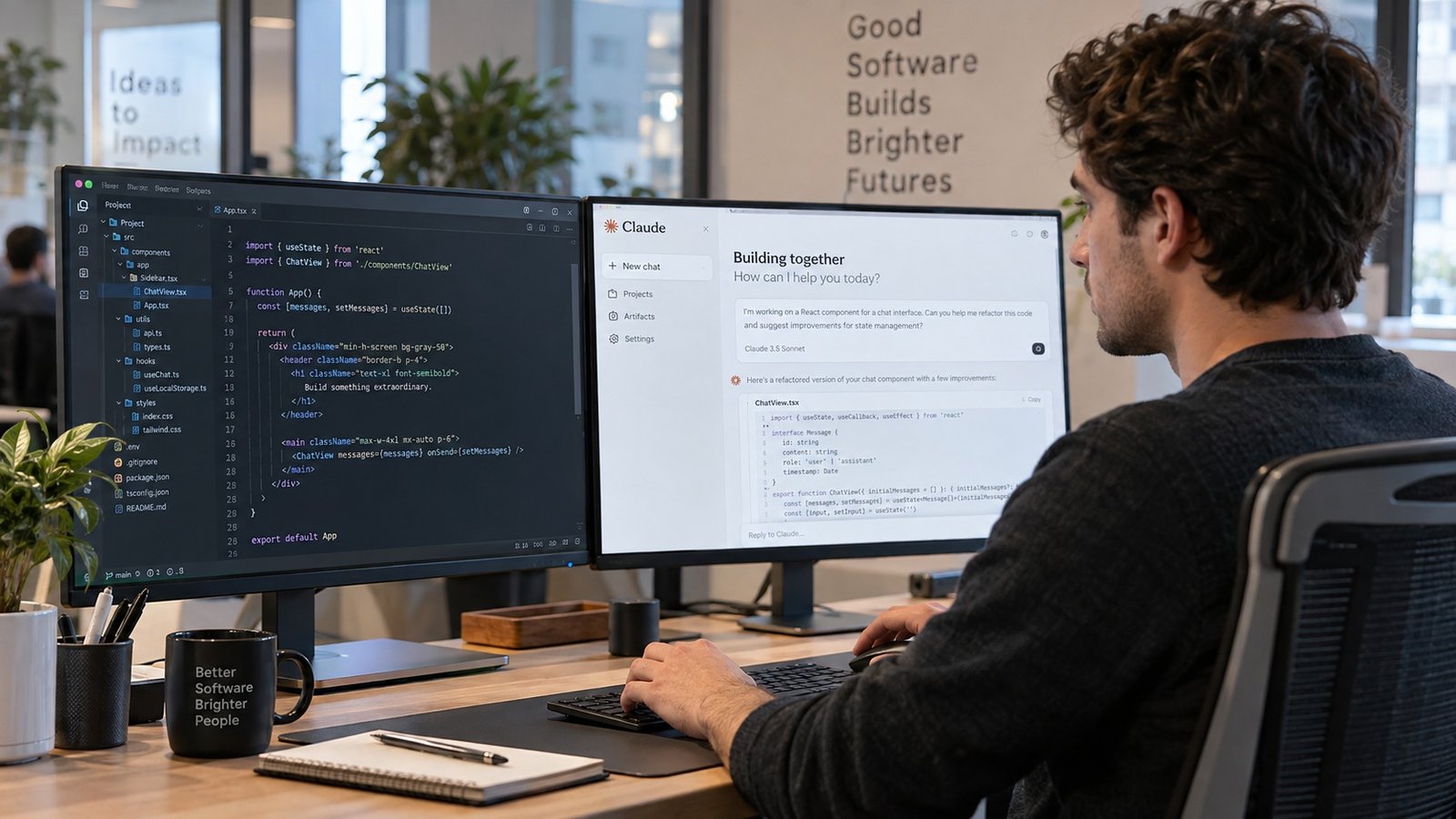
AI-assisted development tools can help developers generate code, explore unfamiliar codebases, create prototypes, troubleshoot problems, write tests and complete repetitive development work much faster.
We’ve already seen the impact on real projects.
Tasks that once required substantial development time can sometimes be completed much faster with the right combination of experienced engineers and AI tools. That can mean faster prototypes, shorter development cycles and lower costs for customers.
But AI doesn’t eliminate the need for experienced software developers.
In many ways, it makes experience more valuable.
AI can generate code quickly. It doesn’t automatically know whether a company is solving the right problem, whether an architecture will scale, how a system should integrate with existing operations, or which tradeoffs make sense for a particular business.
We’ve already worked with customers who attempted to build software entirely with AI before coming to us. AI can make it surprisingly easy to get a prototype started. Turning that prototype into reliable business software can be a very different challenge.
The question is becoming less about whether AI can write code and more about how experienced software teams can use AI responsibly to build better software faster.
That’s the opportunity we’re focused on.
Flint Hills Group is now part of the Claude Partner Network, and we’re actively training our team to become experts in using Claude Code and other AI development tools. At the same time, we continue to develop software using traditional approaches when that’s what makes sense for a customer or project.
The goal isn’t to use AI everywhere.
The goal is to use it where it creates real value.
What Hasn’t Changed
Looking back at 10 years of technology makes it tempting to focus entirely on what’s different.
Cloud infrastructure changed how applications are hosted. Remote work changed where development teams operate. Mobile devices and connected hardware expanded where software is used. Blockchain reminded the industry that not every technology trend becomes the next revolution. And AI is now changing how quickly software can be designed and built.
But one thing hasn’t changed very much.
Successful software still starts with understanding the problem.
Technology alone doesn’t know how a petroleum distributor operates, why a transportation workflow creates bottlenecks, what information a field employee needs, or which parts of a 20-year-old business system are actually critical to the people using it every day.
Those answers come from customers.
That’s why one of the principles we established when Flint Hills Group began remains central to how we work today: put experienced software engineers directly in front of customers, listen to how their businesses work, and build around the problems they actually need solved.
Ten years ago, we were helping customers figure out what the cloud meant for their businesses.
Today, many of those conversations are about AI.
Ten years from now, there will undoubtedly be another technology changing the conversation.
Our job will be the same: understand it, separate useful technology from hype, and help our customers decide how to use it to solve real business problems.
After 10 years, that’s one thing we’re confident won’t change.
Kaylee Blubaugh
Software Project Manager / Head of Marketing
Kaylee combines her background in marketing, team leadership, and technology to help create thoughtful, valuable products and digital experiences. With 15 years of marketing experience, she brings a strategic perspective to both software development and brand communication.